LAUNCH SALE
50% OFF + FREE SHIPPING

Omni vs Hilo vs Hume. Which One Is the Best?
Omni vs Hilo vs Hume. Which One Is the Best?

Last updated Jul 3, 2026
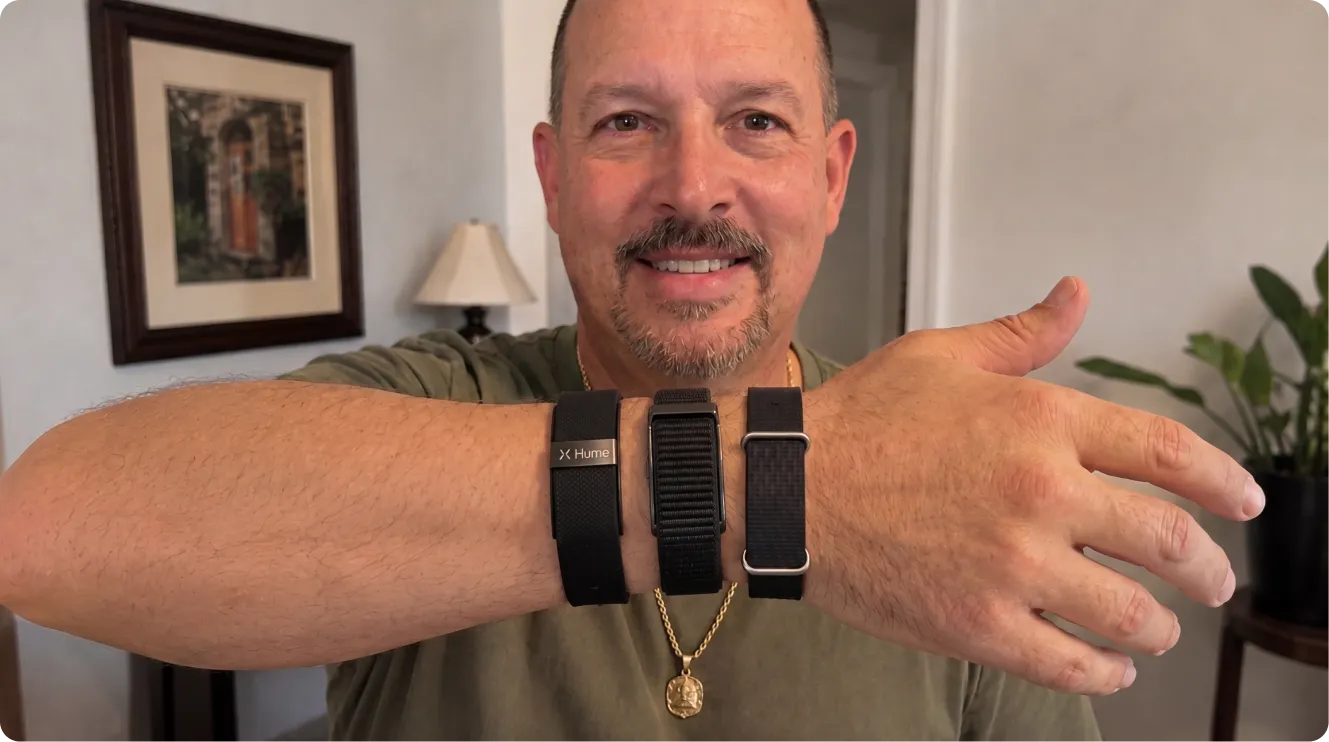
If you're reading this, you've already made the real decision.
You want something on your wrist to keep track of your heart and your health, instead of waiting on a once-a-year check-up to tell you something's wrong. Now you're just choosing between three: the Omni Band 2.0, the Hilo Band, and the Hume Band.
Here's the honest bit up front. All three are good devices. They're just built for very different people, and priced worlds apart. So we didn't score them on features alone. We scored them on value, plain and simple: how much you actually get for the money you spend. Judged that way, one pulls clearly ahead.
I wore all three for a month to see which one actually earns its price. Here's what I found.
Reviewed by Biotech Unboxed
Reviewed by Biotech Unboxed

BEST OVERALL
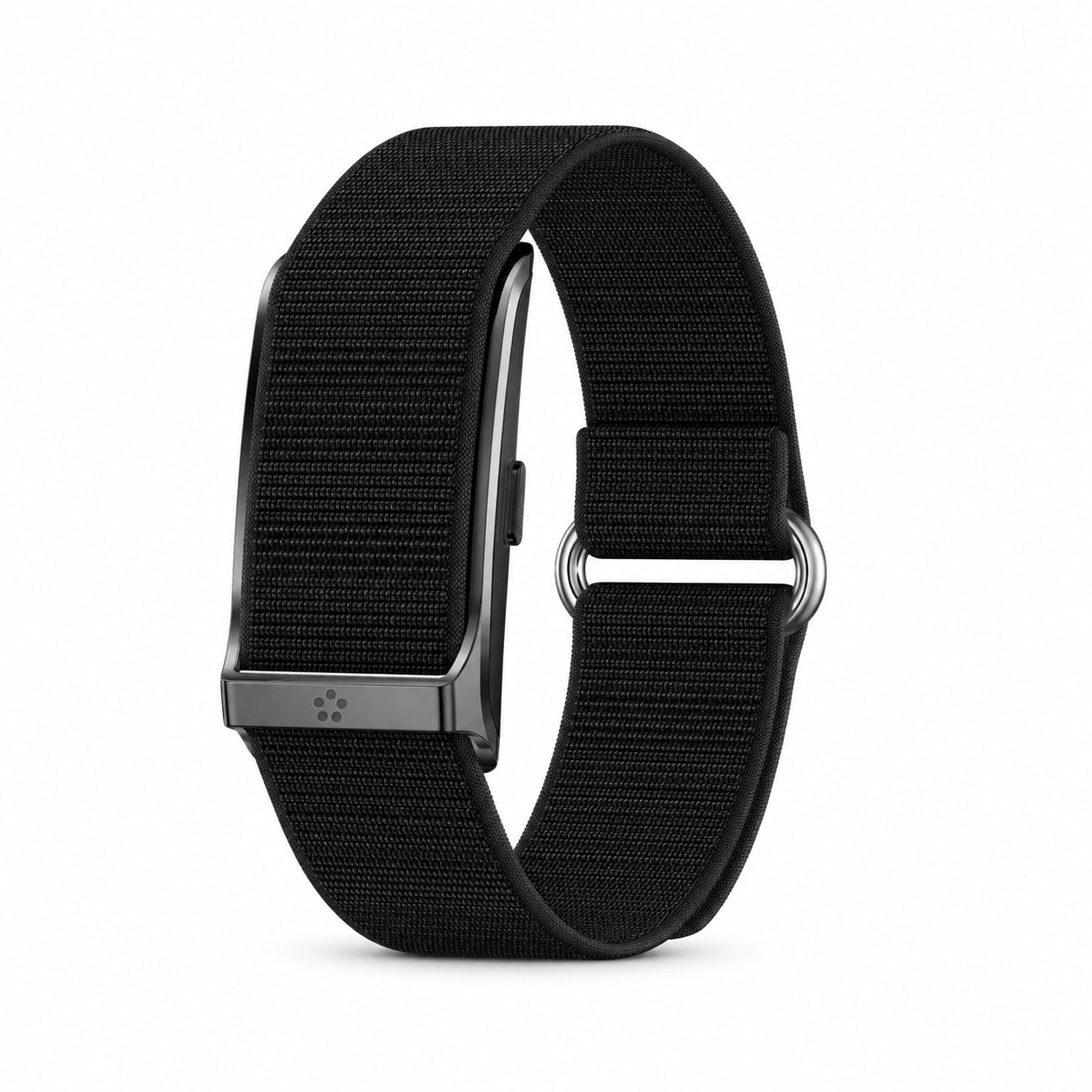
1. Omni Band 2.0
1. Omni Band 2.0


4.5
4.5

✅No subscription, ever — you own your data
✅Around 30-day battery, the longest here
✅Blood pressure trend plus heart rate, HRV, SpO2 & sleep
✅$99, a fraction of the other two
❌ Newer brand, so it sells out often
Made purely for BP tracking
2. Hilo Band
2. Hilo Band

3.6
3.6
✅Clinically validated, FDA-cleared, CE-marked medical device
✅Continuous cuffless blood pressure, ~800 readings a month
✅Around 15-day battery
❌Needs an ongoing subscription, the band stops if you cancel
❌$200+ upfront, plus a monthly cuff calibration
❌Mainly blood pressure, fewer other metrics
❌Mixed reviews about the accuracy
The longevity one
3. Hume Band 2.0
3. Hume Band 2.0

3.6
3.6
✅Tracks HRV, SpO2, sleep plus "metabolic age" scores
✅No mandatory subscription for core data
✅Around 14-day battery
❌Built more for longevity scores than everyday heart tracking
❌Best insights sit behind a paid AI tier
❌Mixed reviews on accuracy and support
The best picks reviewed by Biotech Unboxed
The best picks reviewed by Biotech Unboxed
BEST OVERALL
1. Omni Band 2.0
1. Omni Band 2.0
OUR SCORE
9.6
/10
4.5
4.5
✅No subscription, ever — you own your data
✅Around 30-day battery, the longest here
✅Blood pressure trend plus heart rate, HRV, SpO2 & sleep
✅$99, a fraction of the other two
❌Blood pressure is a wellness trend, not a clinical reading
❌Newer brand, so it sells out often
$99
$199
US delivery 3-5
business days
Made purely for BP tracking
2. Hilo Band
2. Hilo Band
OUR SCORE
8.4
/10
3.6
3.6
✅Clinically validated, FDA-cleared, CE-marked medical device
✅Continuous cuffless blood pressure, ~800 readings a month
✅Around 15-day battery
❌Needs an ongoing subscription — the band stops if you cancel
❌$200+ upfront, plus a monthly cuff calibration
❌Mainly blood pressure, fewer other metrics
❌Mixed reviews about the accuracy
~$210
2-3 Day Prime Delivery
The longevity one
3. Hume Band 2.0
3. Hume Band 2.0
OUR SCORE
7.6
/10
3.6
3.6
✅Tracks HRV, SpO2, sleep plus "metabolic age" scores
✅No mandatory subscription for core data
✅Around 14-day battery
❌Built more for longevity scores than everyday heart tracking
❌Best insights sit behind a paid AI tier
❌Mixed reviews on accuracy and support
~$249
2-3 Day Prime Delivery
Why We Picked the Omni Band 2.0 as the Winner
Why We Picked the Omni Band 2.0 as the Winner
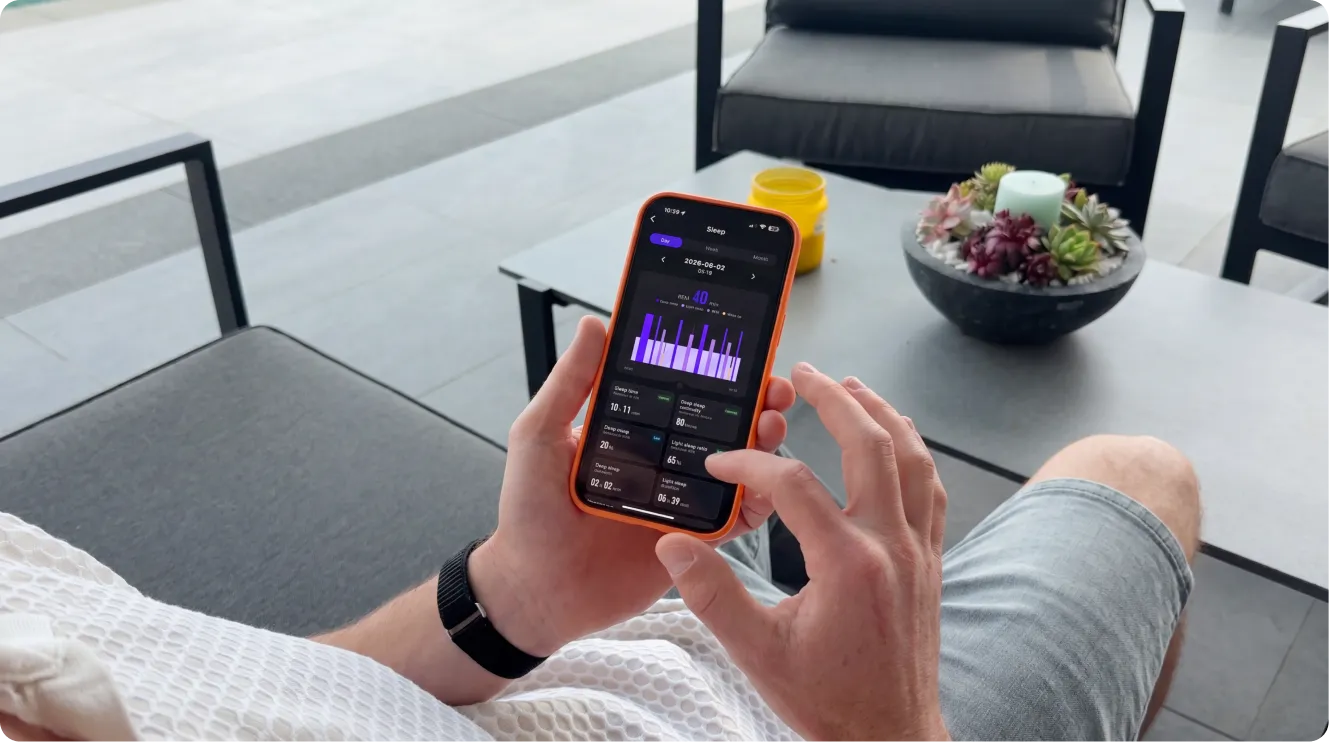
It came down to one thing. Price versus value.
All three bands do the same core job. They sit on your wrist and quietly show you where your blood pressure is heading, day and night, without a cuff. The real question is how much you should pay for that. And once you line them up, the gap is hard to ignore.
Hilo is the one built specifically for blood pressure. It's a genuine medical device, and it makes the boldest claims about accuracy. Here's the honest truth, though. Read the reviews of any of these bands, Hilo included, and the same thing comes up. None of them are perfect every single time. People report readings that run a little high, or drift overnight, on the Hilo just as they do on the others. They all do the job of showing your trend, and none of them replace a proper cuff for a one-off clinical number.
So the question gets very simple. If the Hilo does roughly what the Omni does day to day, why pay almost three times the price up front, and four to five times as much once you add years of its monthly subscription? You're renting a medical badge. For most people, that badge isn't worth it.
Hume we wanted to like. But we couldn't find anything that justified the price. It runs around $249, it's built more for chasing longevity scores than for keeping a simple eye on your blood pressure, and the reviews aren't great, with a lot of complaints about accuracy, battery life, and support. Nothing about it made us want to pay more to get less.
The Omni Band 2.0 gives you the same daily picture, with no subscription, the longest battery of the three, and a price that's a fraction of the others. That's not the cheap choice. It's the smart one. If you've been diagnosed with high blood pressure and need a clinically validated number, buy the Hilo or a validated cuff. For everyone who simply wants to keep an honest eye on it, the Omni does the job for $99.
I Expected the Cheap One to Fall Apart Here. It Didn't.
I Expected the Cheap One to Fall Apart Here. It Didn't.
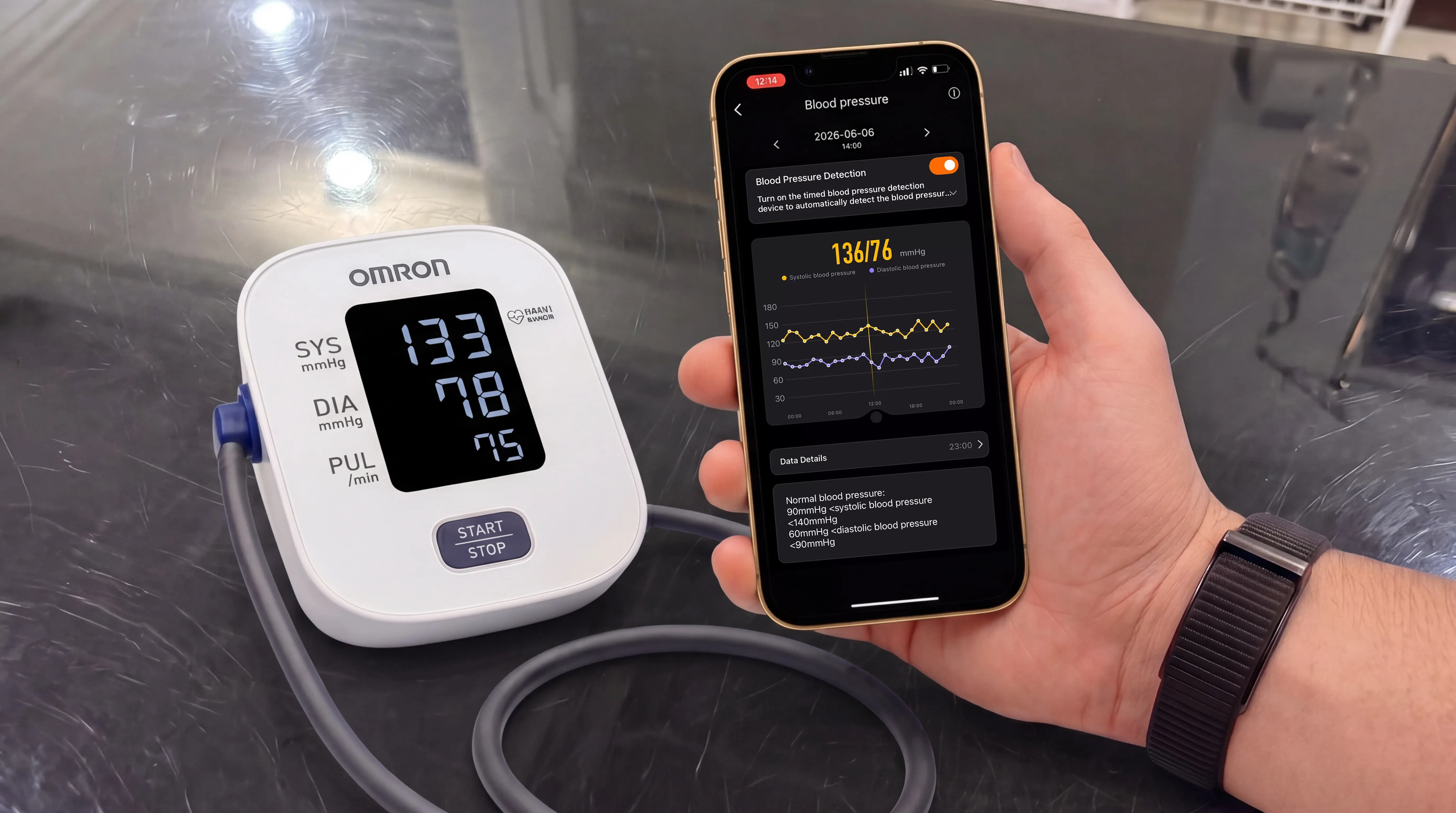
Back to the Omni Band 2.0, because there was one number I had to test before I trusted a word of it: blood pressure itself. At 18 grams it sits on your wrist like a rubber bracelet, and unlike the Hilo it never needed a monthly cuff calibration to keep going.
But comfort means nothing without trust in the numbers. So I started with the one most people doubt on a cheaper band: blood pressure.
Here's what every guide agrees on. A single spot reading tells you little. Blood pressure moves all day with stress, food, movement, and sleep. The useful signal is the trend over time, not one number.
So I did a simple at-home check. I took a reading on a normal arm cuff, then looked at the Omni Band 2.0 at the same time, across several mornings. It tracked close to the cuff each time.
After 30 Days, I'm Still Wearing It
After 30 Days, I'm Still Wearing It
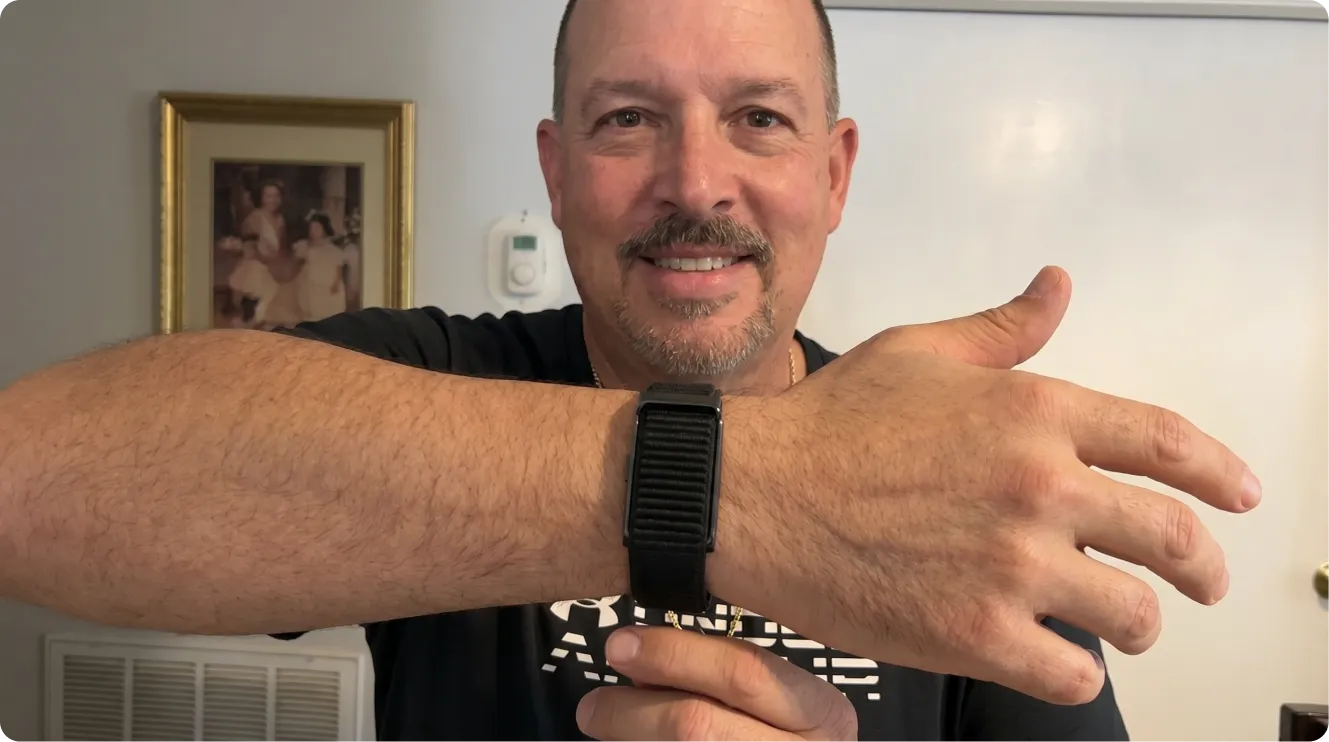
I'll be honest. When I started this test, I assumed the Omni Band 2.0 would be the first one back in its box.
The Hilo had the medical credentials. The Hume had the slick longevity app and its "metabolic age" scores. The Omni was the cheap one with no screen and no famous name. Every instinct said this underdog would quietly disappoint.
But thirty days later it's the one still on my wrist, and not because I forgot to switch back. I wore it through back-to-back work weeks, flights, and holidays full of bad sleep, without it ever needing a charge. The Hilo wanted its monthly calibration. The Hume wanted me on its paid tier for the best insights. The Omni just tracked, quietly, and showed me my blood pressure trend, heart rate, and sleep in one place.
What I learned is simple. The device that actually helps your health isn't always the most expensive one. It's the one you'll keep wearing long enough to learn something.
And as a 47-year-old keeping an eye on my heart, it's the one that fit my actual life.
Let's Recap the Price
Let's Recap the Price
That depends entirely on which device you choose, and it's worth doing the math.
Device
Hilo Band
Hume Band 2.0
Omni Band 2.0
Upfront
~$210
~$249
$99
Subscription
Required
Optional (AI tier)
None
If you stop paying
Band stops after 30 days
Core keeps working
Keeps working, forever
Apple Watch
Series 11
$369
Smartwatch
29.7g (42mm) / 36.9g (46mm)
AMOLED 1.8" / 2.0" LTPO OLED
Dual-band L1/L5
Up to 24 hours (38 in Low Power)
5ATM (IP6X)
None
A note on the price: The Omni Band 2.0's $99 is a sale price, down from $199. We last checked it at the beginning of July 2026, and the discount was still available at the time. Prices can change, so it's worth clicking below to confirm the current price and availability.
It's the least expensive band of the three, yet nothing about it felt cheap. For someone who wants to watch their blood pressure trend alongside their heart and sleep, without a subscription, it delivered the most for the money.
Plus, every Omni Band 2.0 comes with a 30-day money-back guarantee, so there's no risk in finding out for yourself.
The only catch is that the $99 introductory price isn't guaranteed to last.
CHECK DISCOUNT AVAILABILITY →
Click here to save your $99 Off US Introductory Offer before it expires.
What Omni Band 2.0 customers are saying?
What Omni Band 2.0 customers are saying?
As of early July 2026, the Omni Band 2.0 is rated 4.5 on Trustpilot, and of the three devices we tested it stood out with the most positive reviews by a clear margin.
That matters more than it might seem. A score that high is hard to fake. Trustpilot runs automated fraud checks, flags suspicious activity, and publicly penalises businesses caught trying to manipulate their reviews. A rating like this is a genuine signal, not something a brand can simply buy.

Rated 4.5 / 5 based on +80 reviews. Showing 5 star reviews.

✓ Verified
Matches my pricier band
Sleep and HRV data line up with my old band that cost three times as much. Battery really does last weeks.
Verified buyer
✓ Verified
Better than anything else
The Omni Band 2.0 is fantastic. Simple pairing and so many things it can do, better than anything on the market.
Matt
✓ Verified
No monthly fees
Does everything the big brands do without the price tag or the monthly fees.
Verified buyer
✓ Verified
I forget it's on
So light I forget it's on. Finally a tracker I actually keep wearing.
Verified buyer
✓ Verified
Easy setup
Set up in minutes and the app is clean and easy to read.
Verified buyer
✓ Verified
Really helpful team
Had a quick question and support replied within the hour. Really helpful team.
J. Porras, 5 days ago
✓ Verified
Arrived next day
Ordered in the evening and it arrived the next day. Packaging was lovely too.
Verified buyer
✓ Verified
Everyday essential
A practical tracker for everyday use. Monitors heart rate, sleep, stress, HRV and blood oxygen. Highly recommend.
Joanna
✓ Verified
Everything included
Love that everything is included. Simple, discreet and comfortable to wear day and night.
Verified buyer
Read through enough of them and a clear pattern shows up. People love how light it is, how the battery genuinely lasts weeks, and how it tracks everything in one place with no subscription. The blood pressure trend and the sleep data get singled out again and again as the features that finally made them pay attention. The support team gets a lot of love too.
To be straight about the other side, most of the disappointed reviews weren't about the band itself. They were about delivery. A number of people were frustrated waiting longer than expected for their order to arrive. A few also felt the blood pressure readings didn't always line up with their home cuff, which is the wellness-trend point worth remembering. It's there to show you patterns over time, not to replace a clinical reading.
See more reviews at trustpilot
Where Can I Get the Omni Band 2.0?
Where Can I Get the Omni Band 2.0?
The Omni Band 2.0 is sold directly through the official Omni website. Buying direct is also how the price stays low. There's no middleman markup and no shop taking a cut, which is part of how they keep it at a fraction of what the Hilo and the Hume cost.
Right now it's on offer at $99, down from $199. That's up to half off, and it includes the whole thing. The band, the app, and all your data, with no subscription, ever. You also get a one-year warranty and a 30-day money-back guarantee, so you can try it, compare it against your own cuff, and send it back if it isn't for you.
The one honest catch is stock. These run in batches, and at this price they tend to sell through quickly. The $99 price is tied to the current batch, so if you've been meaning to get a proper handle on your blood pressure, it's worth not leaving it too long.
Special Offer
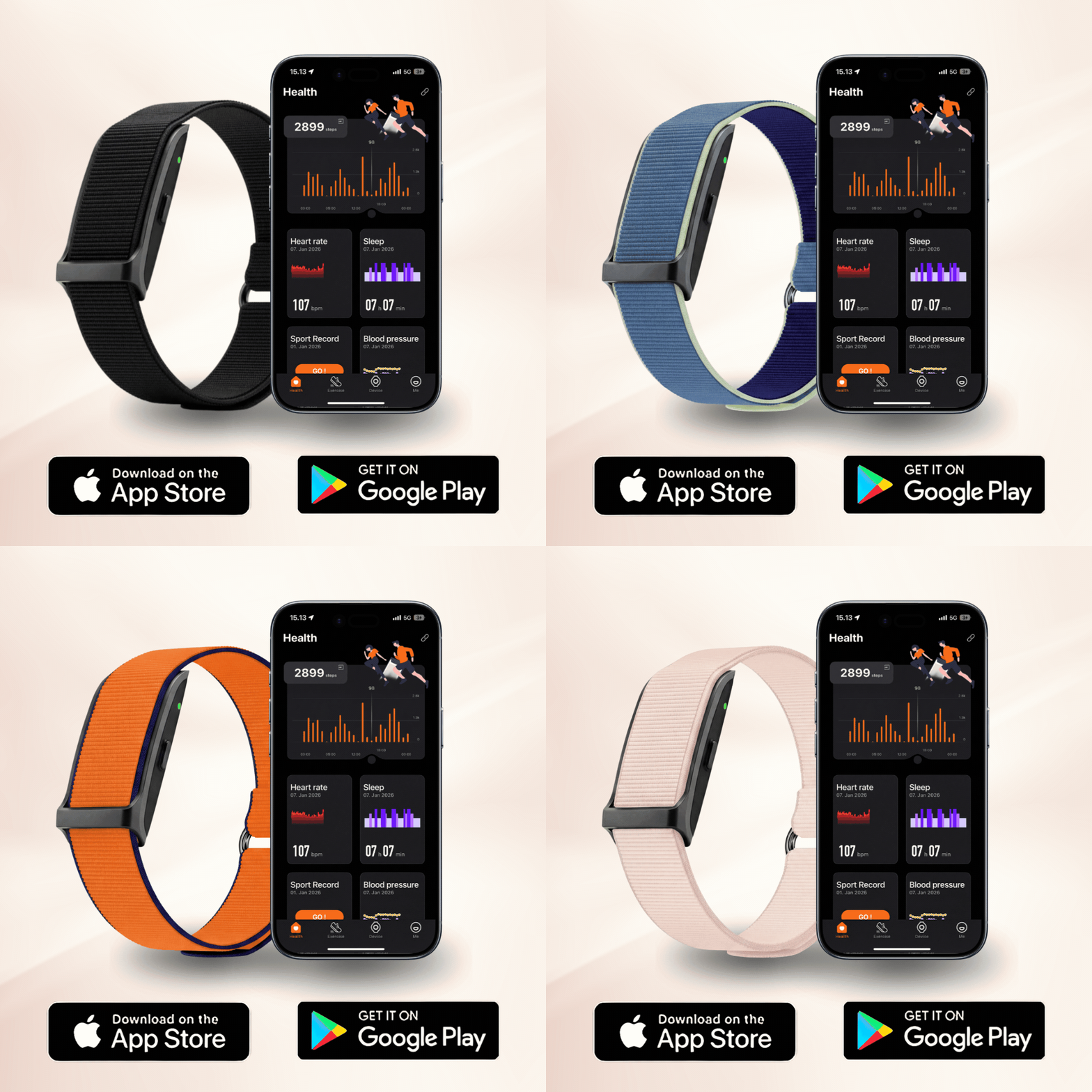

UP TO 50% OFF FOR A LIMITED TIME ONLY!
With 30 day risk-free trial, you
have nothing to lose.
TRY IT RISK-FREE

Sell-Out Risk: High
|
FREE shipping
Try it today with a 30-Day Money Back Guarantee!
Disclaimer
This product is a general wellness and fitness device. It is not a medical device and is not intended to diagnose, treat, cure, or prevent any disease or health condition, including any heart condition. Its readings (including heart rate, heart rate variability, blood pressure, and blood oxygen) are estimates for general wellness purposes only, are not clinically validated, and should not be relied upon for any medical decision. Do not use this device to detect, monitor, or manage any medical condition. It is not a substitute for professional medical advice, examination, diagnosis, or treatment, or for medical-grade monitoring equipment. Always consult a qualified physician or healthcare provider with any questions about your health, before making health decisions, and if you experience symptoms such as chest pain, shortness of breath, or dizziness — seek emergency care immediately. Individual results may vary.