



Image: Samsung Health
Mental wellness apps are no longer just about guided breathing exercises or sleep sounds. In this year, they’ve become lightweight health intelligence layers, pulling sleep, stress, heart rate variability, and recovery data directly from your wrist and translating it into actionable mental health signals.
But here’s the reality most people miss: not all “syncing apps” actually understand mental wellness. Some just display data. Others interpret it. A few actually guide behavior.
Best Mental Wellness Apps That Sync With Health Wearables
1. Fitbit by Google: Best All-in-One Mental + Physical Wellness Dashboard (Grade: A+)
Detailed Review
Image: Google
Since joining Google's health ecosystem, Fitbit has become less of a standalone brand and more of the centerpiece of Google's wearable wellness strategy. Its Stress Management Score, Sleep Score, and Daily Readiness metrics remain some of the most useful wellness indicators available on consumer wearables.
Unlike many meditation-focused apps, Fitbit by Google connects mental wellness to physical recovery. Poor sleep, elevated stress, and reduced recovery are reflected across the platform, helping users understand how their habits affect both mind and body.
For users with Fitbit devices, the integration remains among the best available, while Google's broader health initiatives continue to improve cross-platform compatibility.
Pros
Excellent stress and recovery insights
Industry-leading sleep tracking
Easy-to-understand wellness metrics
Strong wearable ecosystem
Cons
Some advanced features require Fitbit Premium
Best experience still depends on Fitbit hardware
Standout Feature
Stress Management Score that combines sleep, activity, and recovery data into a single wellness metric.
Check Now!
2. Apple Health + Mindfulness: Best Native Ecosystem Experience (Grade: A)
Apple’s ecosystem remains one of the most seamless mental wellness apps that sync with health wearables, especially for Apple Watch users.
Detailed Review
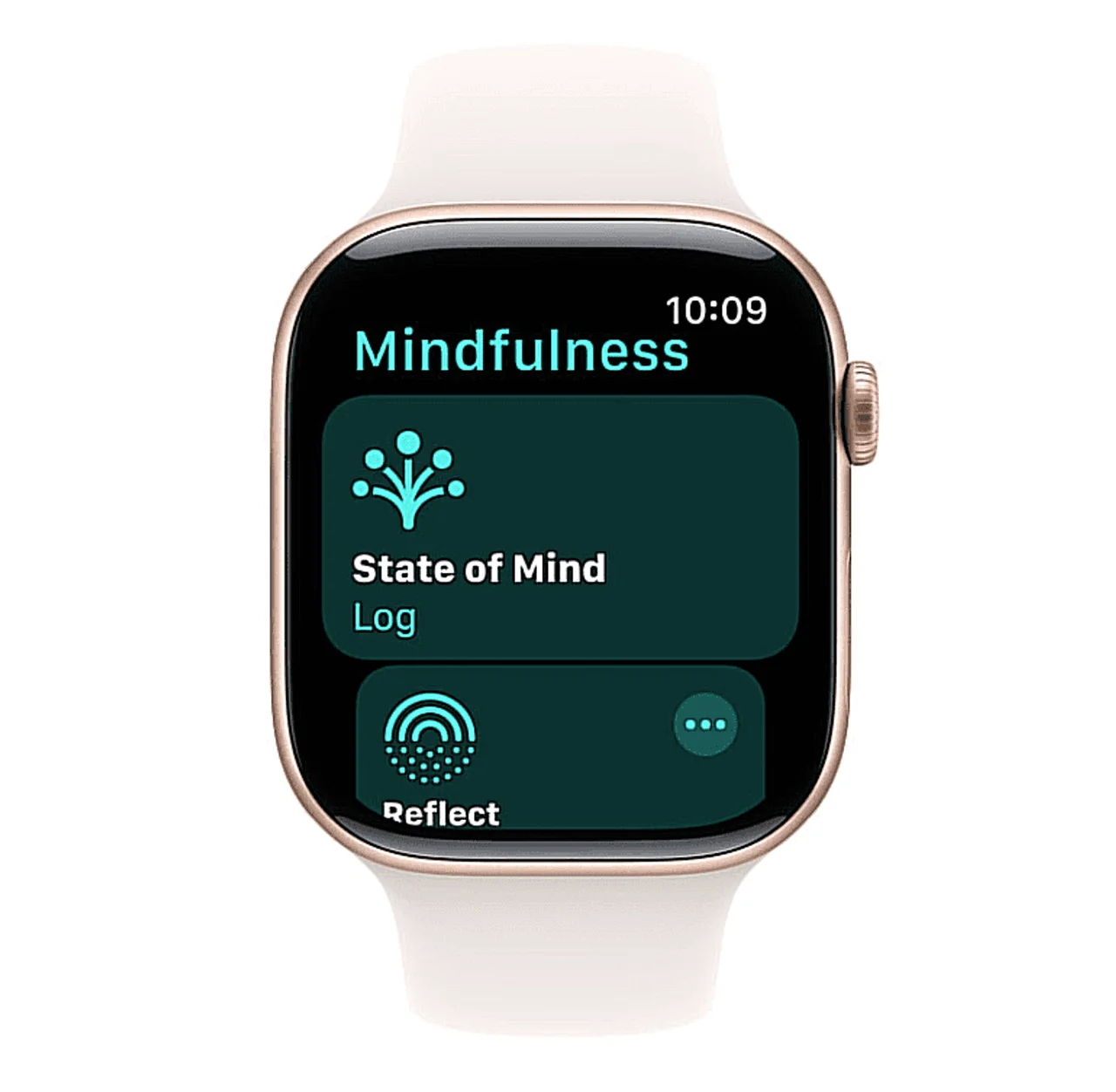
Image: Apple Health
This system thrives on tight integration. Your Apple Watch continuously feeds heart rate, respiration, and movement data into Apple Health, which then informs Mindfulness prompts.
It’s subtle but effective, especially during stress spikes where breathing prompts appear automatically without user input.
However, its limitation is obvious: it only truly shines inside the Apple ecosystem.
Pros
Deep native integration
Real-time biometric feedback loops
Extremely smooth UX
Cons
Locked to Apple devices
Limited customization
Standout Feature
Automatic mindfulness prompts triggered by heart rate anomalies.
Check Now!
3. Headspace: Best Structured Mental Fitness System (Grade: A)
Headspace remains one of the most disciplined mental wellness apps that sync with health wearables.
Detailed Review
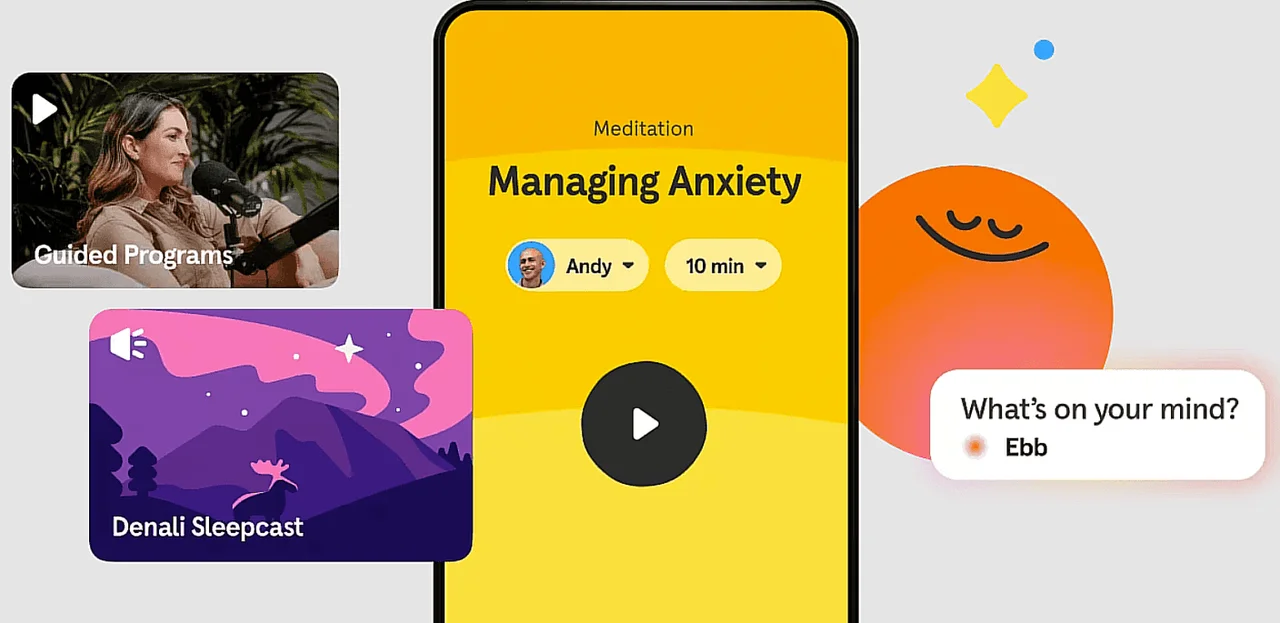
Image: Headspace
Headspace works best for users who want structure. Instead of reacting passively to data, it turns insights into guided routines, short sessions for stress spikes, longer programs for recovery cycles.
Its Apple Health and Fitbit integrations help tailor meditation intensity and frequency.
Pros
Highly structured mental wellness system
Strong wearable integration
Excellent for focus and productivity
Cons
Less flexible than competitors
Slightly rigid UX
Standout Feature
Adaptive meditation programs based on wearable stress and sleep data.
Check Now!
4. Calm: Best for Sleep-First Mental Recovery (Grade: A-)
Calm focuses on recovery through sleep and relaxation, making it one of the most popular mental wellness apps that sync with health wearables.
Detailed Review

Image: Calm Health
Calm doesn’t overwhelm users with analytics. Instead, it responds to wearable signals, especially poor sleep quality, by shifting recommendations toward recovery-first content.
It’s less about precision and more about emotional recovery.
Pros
Excellent sleep content
Strong wearable sleep integration
Easy to use
Cons
Limited deep analytics
Premium-heavy experience
Standout Feature
Sleep stories adapted to wearable-detected sleep disruption.
Check Now!
5. Samsung Health: Best for Android Wearable Users (Grade: A-)
Samsung Health is a strong Android-native option among mental wellness apps that sync with health wearables.
Detailed Review
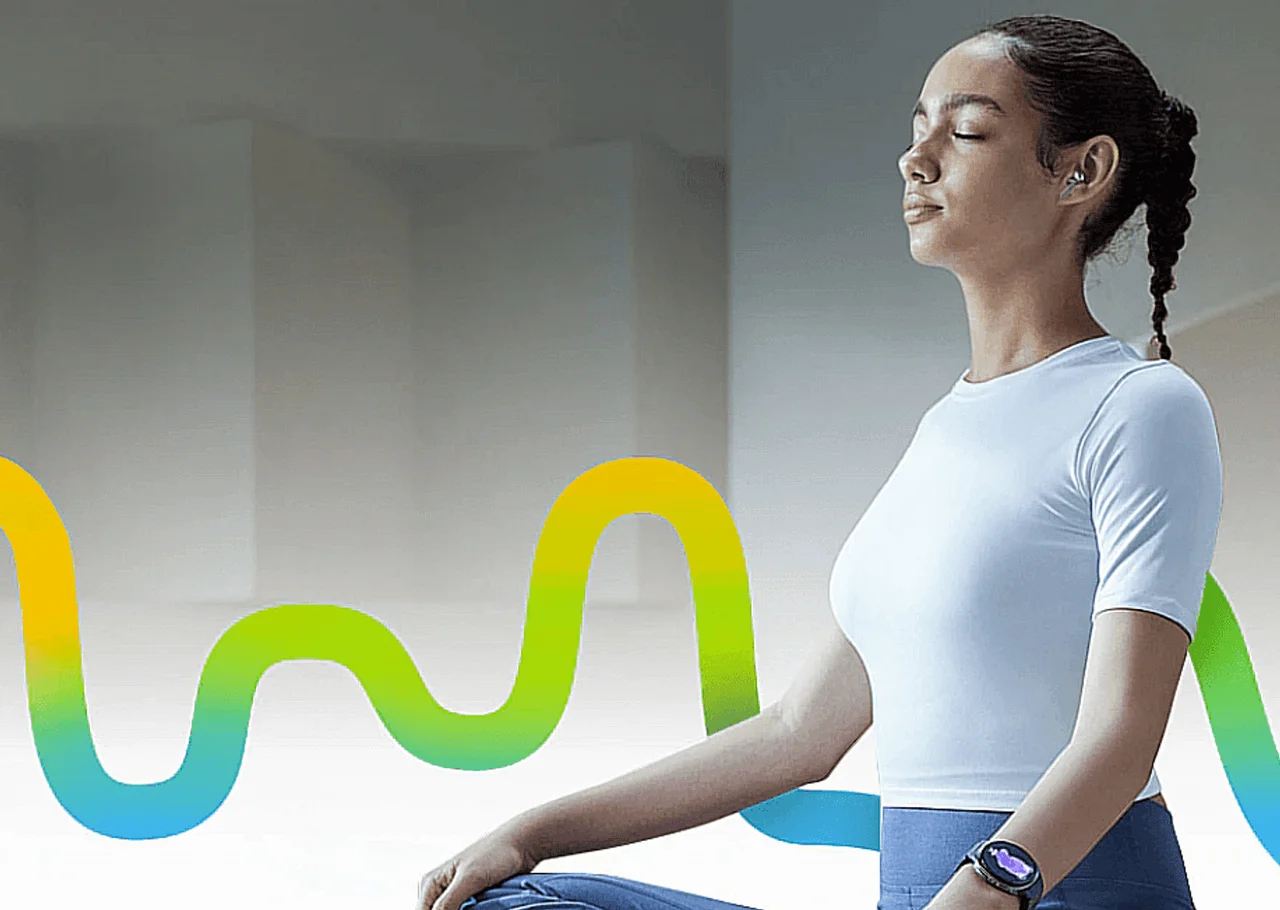
Image: Samsung Health
Samsung Health excels in sleep breakdowns and always-on stress monitoring. It translates wearable signals into simple, readable insights without overwhelming users.
While it doesn’t match Apple Health or Fitbit in depth, it offers solid baseline mental wellness tracking for Android users.
Pros
Strong Android ecosystem integration
Reliable sleep tracking
Built-in breathing exercises
Free core features
Cons
UI can feel cluttered
Less advanced insight modeling
Standout Feature
Continuous stress tracking paired with guided breathing interventions.
Check Now!
6. Insight Timer: Best Free Meditation Library (Grade: B+)
Insight Timer stands out among mental wellness apps that sync with health wearables because of its scale rather than sophistication.
Detailed Review

Image: Insight Timer
The strength here is volume. You get unmatched free content, live sessions, and community-driven wellness tools.
Wearable integration exists, but it’s more supportive than deeply analytical.
Pros
Massive free content library
Strong community features
Good wearable compatibility
Cons
Inconsistent UX
Weak insight interpretation
Standout Feature
Live meditation sessions aligned with daily stress trends.
Check Now!
7. BetterSleep: Best for Sleep Optimization (Grade: B+)
BetterSleep focuses heavily on recovery-driven mental wellness apps that sync with health wearables.
Detailed Review
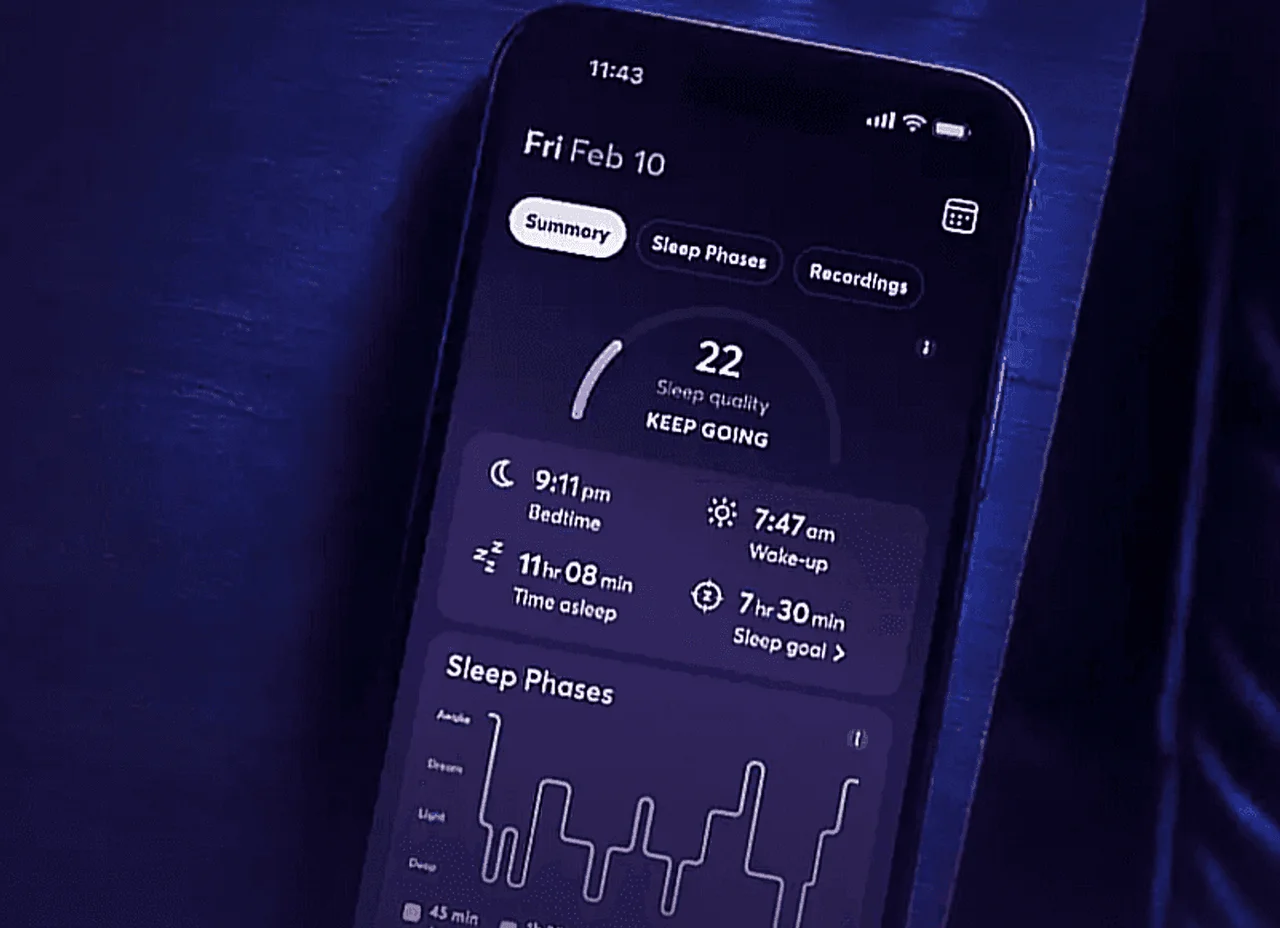
Image: BetterSleep
BetterSleep is less about mental coaching and more about environmental control, sound design, sleep rhythm optimization, and relaxation cues.
It’s effective, but narrow in scope.
Pros
Strong sleep sound customization
Easy to use
Good wearable sleep integration
Cons
Limited mental wellness depth
Repetitive over time
Standout Feature
AI-generated sleep soundscapes based on sleep disruption data.
Check Now!
Honorable Mention: Omni Band 2.0 + QWatch Pro: Wearable Companion, Not a Mental Wellness App
Omni Band 2.0 official site:Omni Band 2.0 QWatch Pro (iOS):https://apps.apple.com/us/app/qwatch-pro/id1572827103 QWatch Pro (Android):https://play.google.com/store/apps/details?id=com.qcwireless.qcwatch&hl=en
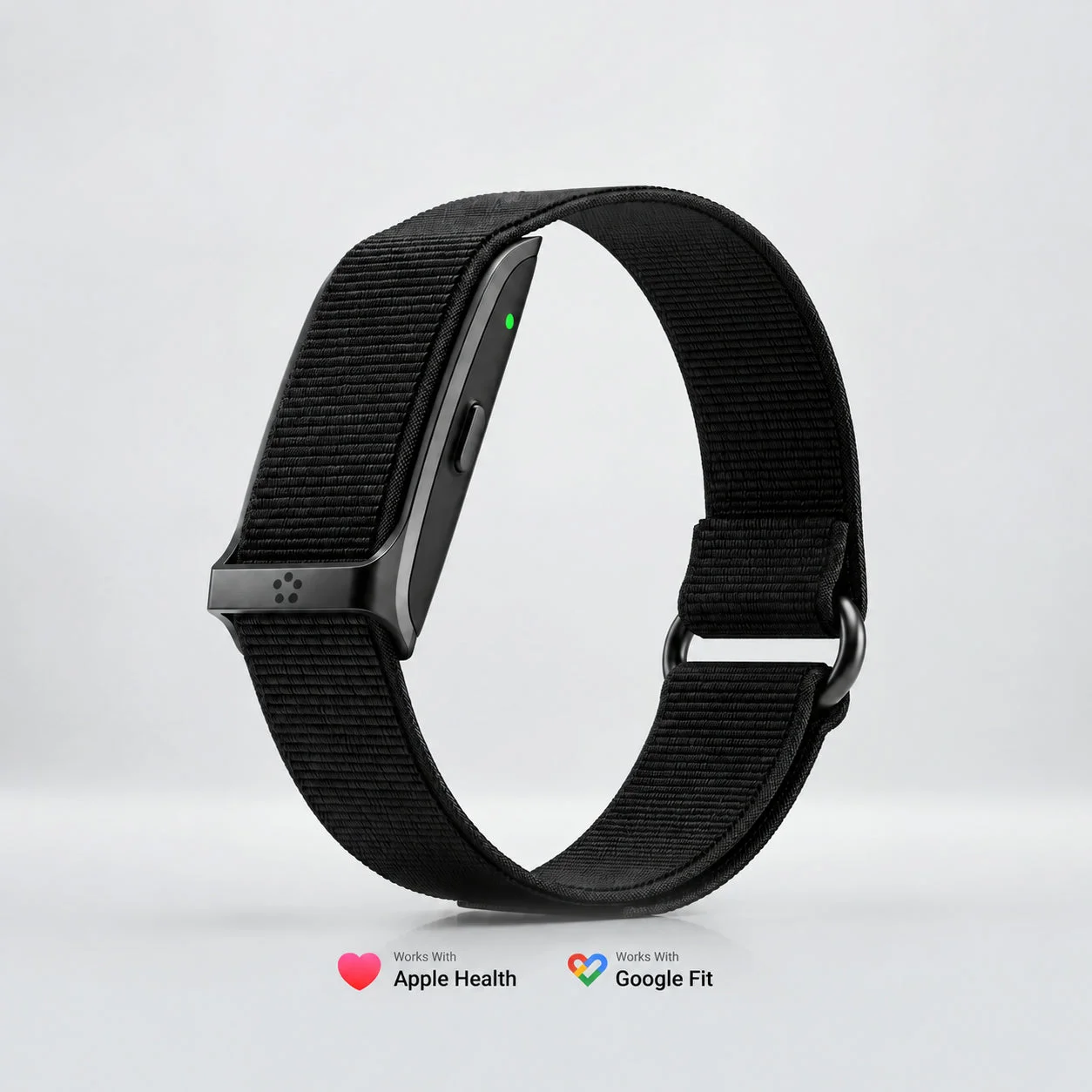
The Omni Band 2.0 paired with QWatch Pro often gets miscategorized as a mental wellness solution, but it’s important to be precise here.
What it actually is
Omni Band 2.0 = continuous biometric data collection (sleep, heart rate, activity, stress proxies)
QWatch Pro = companion dashboard app that displays and syncs that data
What it is NOT
It does not provide meditation programs
It does not offer mental health coaching
It does not interpret psychological state in depth
It does not deliver behavioral wellness systems like Headspace or Fitbit
Why it still matters
Image: Omni Band 2.0
Where this combo does matter is data consistency. It acts as a foundation layer, feeding other apps more stable biometric signals.
So instead of being a mental wellness app, it functions as: a wearable data pipeline, not a mental wellness intelligence layer.
Verdict
Useful infrastructure. Not a mental wellness system.
Final Verdict: Ecosystems Win, Not Apps
Mental wellness has been organized into a layered system.
Best overall ecosystem: Fitbit
Best native integration: Apple Health
Best structured training: Headspace
Best sleep-first recovery: Calm
Best Android option: Samsung Health
Best free content: Insight Timer
Best sleep optimization tool: BetterSleep
Best data pipeline (not wellness app): Omni Band 2.0 + QWatch Pro