LAUNCH SALE
50% OFF + FREE SHIPPING

Fitbit Air vs Polar vs Omni. The Winner Wasn't What You'd Expect.
Fitbit Air vs Polar vs Omni. The Winner Wasn't What You'd Expect.

Last updated May 20, 2026
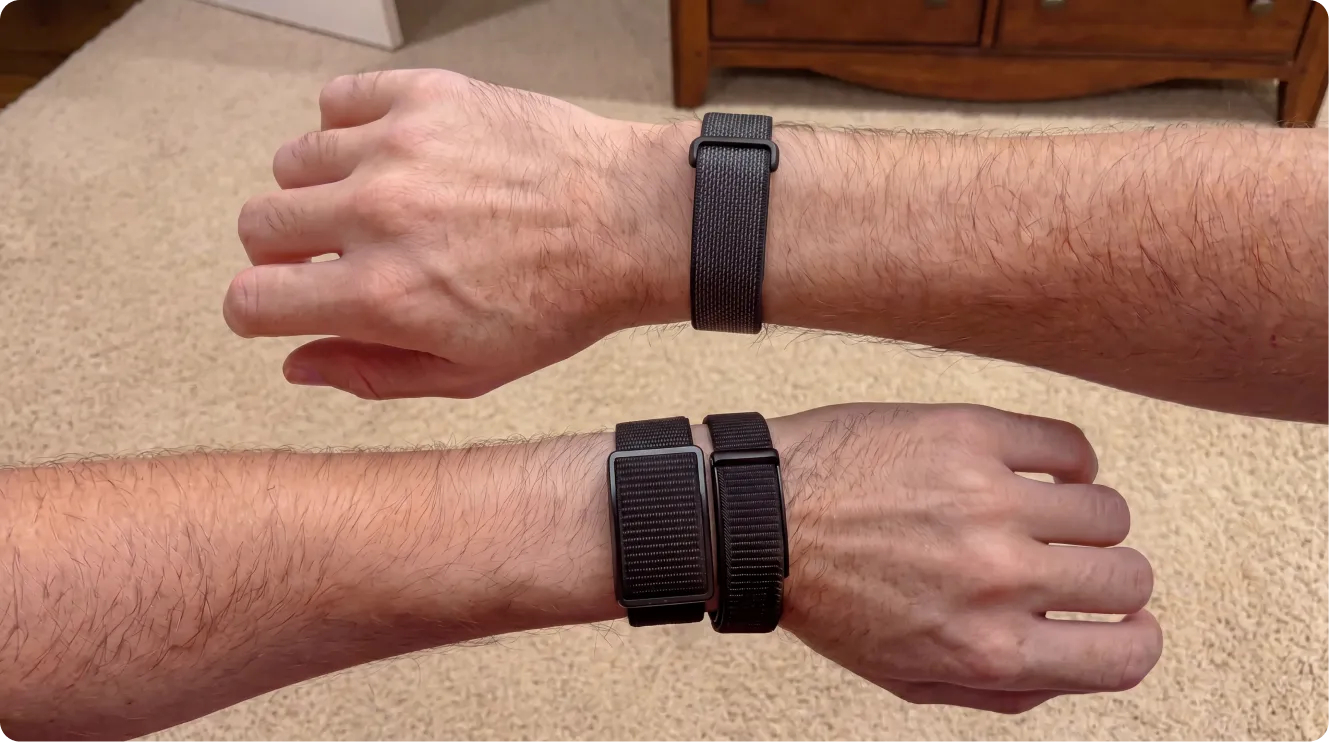
If you've landed on this page, the hard part is already behind you.
You want to keep an eye on your heart and your health from your wrist. All day. No screen lighting up, no alerts buzzing. The only question left is which screenless band to pick. Three names keep coming up: the Fitbit Air, the Polar Loop, and the Omni Band 2.0.
Let's be straight from the start. All three are good bands. They're just made for different people, and the prices are miles apart. So we didn't rank them on features alone. We ranked them on value: what you actually get back for what you pay. Look at it that way, and one of them pulls ahead fast.
I strapped on all three for a month to find out which one is really worth the money. Here's how it went.
Reviewed by Biotech Unboxed
Reviewed by Biotech Unboxed

BEST OVERALL
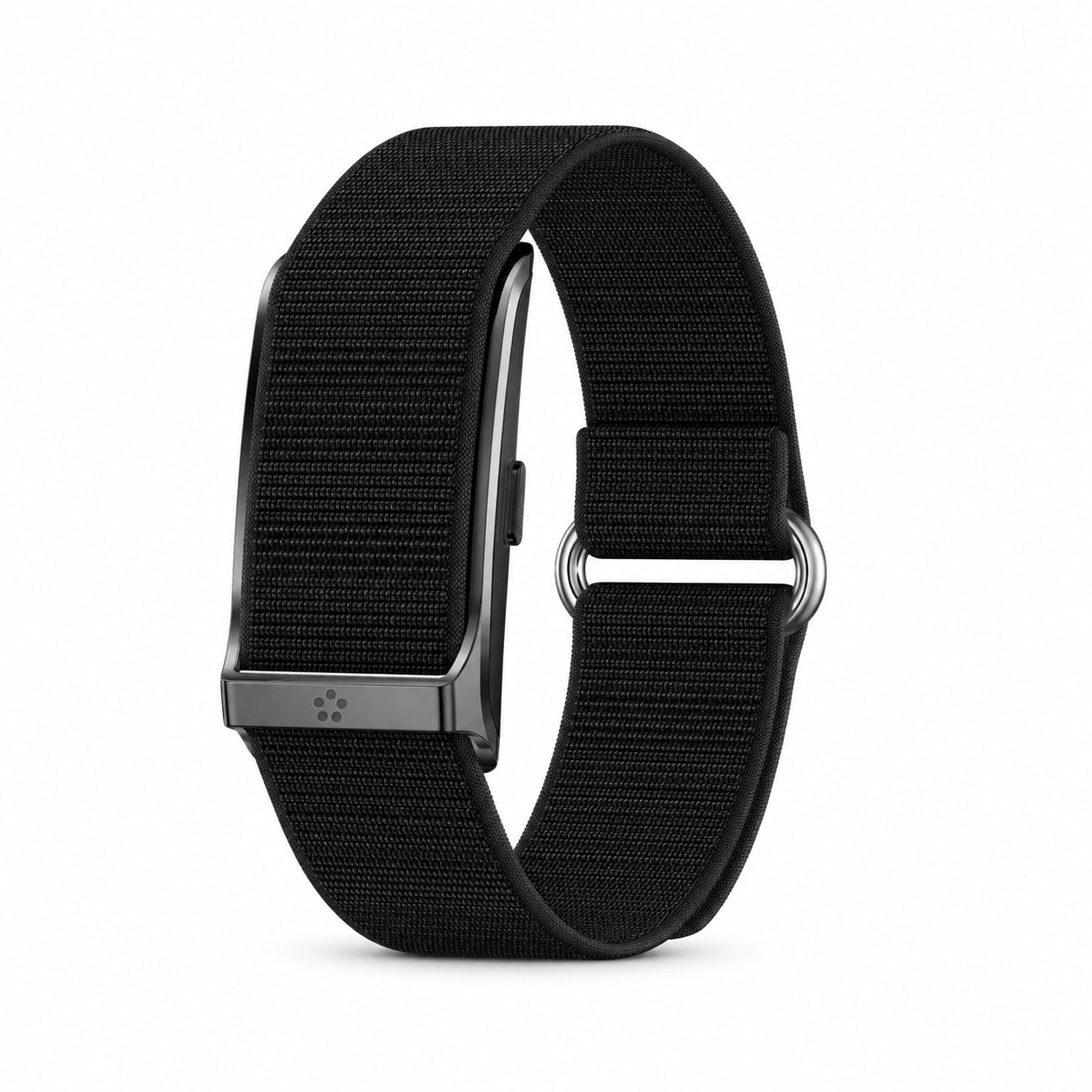
1. Omni Band 2.0
1. Omni Band 2.0


4.5
4.5

✅No subscription and nothing locked away. Your data is yours
✅Around 30 days per charge, easily the longest here
✅The only band here that tracks blood pressure, plus HR, HRV, SpO2 and sleep
✅$99, well below the other two
❌A newer name, so batches sell out fast
The mainstream one
2. Fitbit Air
2. Fitbit Air

1.3
1.3
✅Tiny and light, just 12g
✅Google Health app with Gemini AI coaching
✅Good heart rate, SpO2 and sleep tracking
❌No blood pressure tracking at all
❌Best AI coaching locked behind a paid Google subscription
❌Around 7-day battery, and Google's support record is rough
The athlete's one
3. Polar Loop
3. Polar Loop

1.4
1.4
✅Excellent training-load and recovery data
✅Polar's sports-science heritage, no subscription
✅Around 8-day battery
❌No blood pressure and no blood oxygen
❌The priciest at ~$150 and heaviest at 29g
❌Clunky app and mixed accuracy reviews
The best picks reviewed by Biotech Unboxed
The best picks reviewed by Biotech Unboxed
BEST OVERALL
1. Omni Band 2.0
1. Omni Band 2.0
OUR SCORE
9.6
/10
4.5
4.5
✅No subscription and nothing locked away. Your data is yours
✅Around 30 days per charge, easily the longest here
✅The only band here that tracks blood pressure, plus HR, HRV, SpO2 and sleep
✅$99, well below the other two
❌Blood pressure is a wellness trend, not a medical reading
❌A newer name, so batches sell out fast
$99
$199
US delivery 3-5
business days
The mainstream one
2. Fitbit Air
2. Fitbit Air
OUR SCORE
9.0
/10
1.3
1.3
✅Tiny and light, just 12g
✅Google Health app with Gemini AI coaching
✅Good heart rate, SpO2 and sleep tracking
❌No blood pressure tracking at all
❌Best AI coaching locked behind a paid Google subscription
❌Around 7-day battery, and Google's support record is rough
~$99
2-3 Day Prime Delivery
The athlete's one
3. Polar Loop
3. Polar Loop
OUR SCORE
7.9
/10
1.4
1.4
✅Excellent training-load and recovery data
✅Polar's sports-science heritage, no subscription
✅Around 8-day battery
❌No blood pressure and no blood oxygen
❌The priciest at ~$150 and heaviest at 29g
❌Clunky app and mixed accuracy reviews
~$150
2-3 Day Prime Delivery
Why the Omni Band 2.0 Came Out on Top
Why the Omni Band 2.0 Came Out on Top
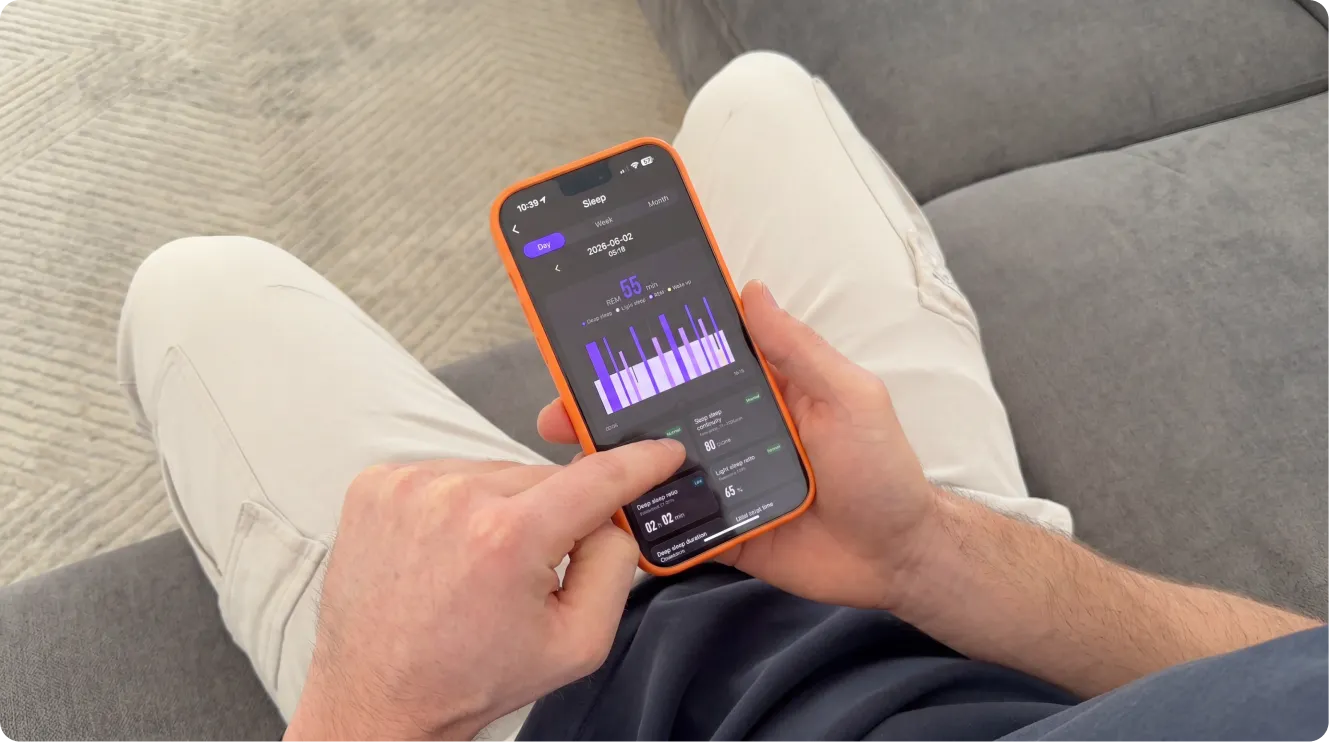
In the end, it all came down to value for money.
Each one sits quietly on your wrist and tracks your health in the background. But add up what you get for your money, and they stop looking equal fast.
Fitbit Air is a lovely little tracker, and I'll happily say so. It's the lightest of the three at 12g, it has Google's Gemini AI coaching, and the Air itself has landed well with reviewers. But two things hold it back for what we're after. It can't track your blood pressure at all, and its smartest coaching sits behind a paid Google subscription. Its battery is also about a week, against the Omni's month. The Air is a good product, but Google's support and warranty record is rough, which is where that low brand rating comes from.
Polar Loop is the athlete's pick, and if you live for training-load and recovery scores, it's genuinely good at that. But it's the most expensive of the three at around $150, the heaviest at 29g, and it skips both blood pressure and blood oxygen. The Polar Flow app frustrates a lot of people, and accuracy reviews are mixed. For someone who just wants an easy read on their health, it's a lot of money for a sports computer.
The Omni Band 2.0 is the only one of the three that tracks your blood pressure trend at all. It has by far the longest battery, around 30 days against roughly a week. It locks nothing behind a subscription. And at $99 it's the cheapest. That's not the budget option. It's the one that does the most for the least. If you've been diagnosed with high blood pressure and need a clinically validated number, use a validated cuff or see your doctor. For everyone who simply wants an honest, all-day read on their health, the Omni does the most for $99.
I Was Skeptical About the Accuracy
I Was Skeptical About the Accuracy
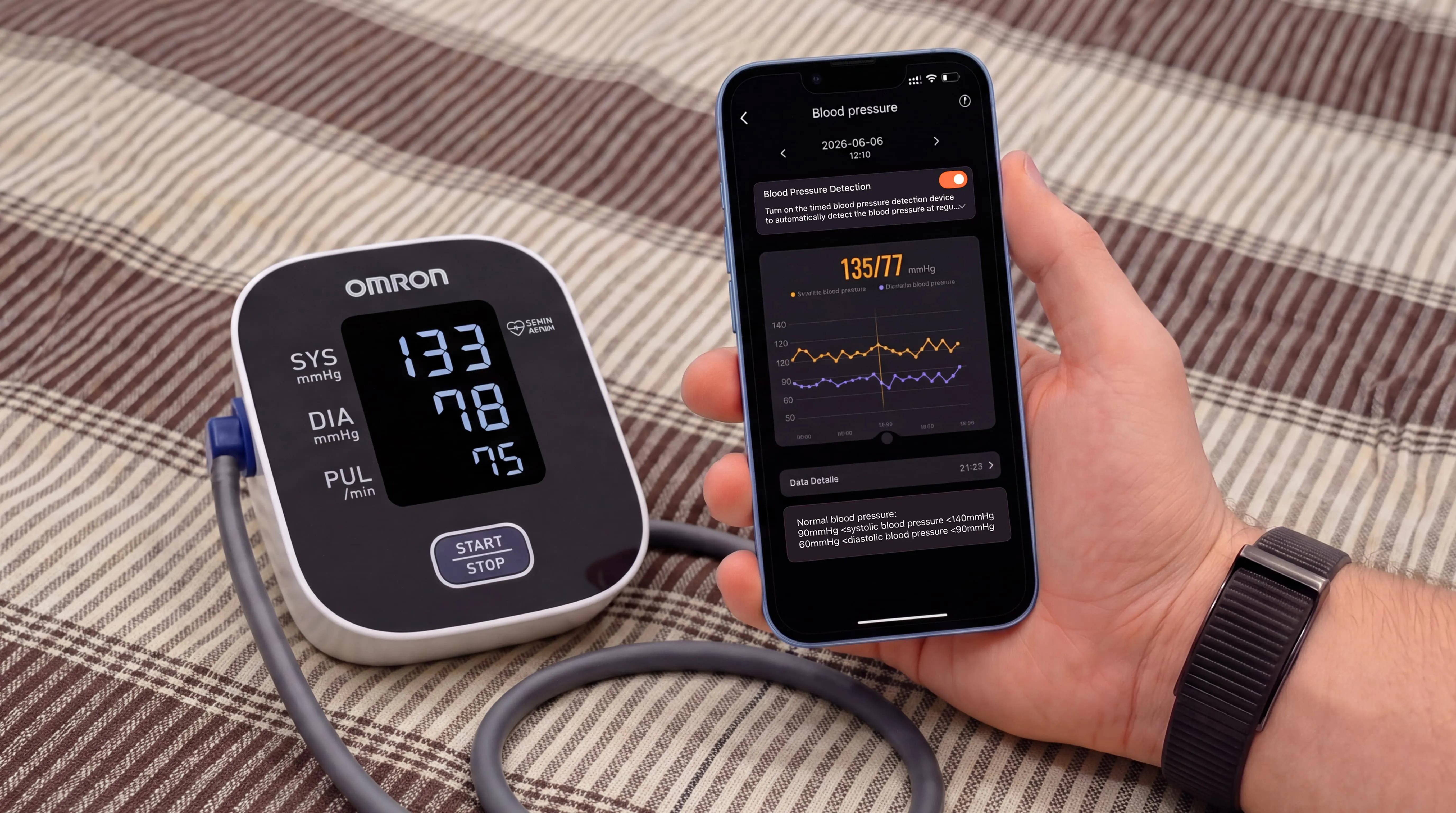
Back to the Omni Band 2.0, because it does the one thing neither the Fitbit nor the Polar can: track your blood pressure. And that was the number I had to test before I trusted a word of it. At 18 grams it sits on your wrist like a rubber bracelet, and it never needs charging more than about once a month.
But comfort counts for nothing if you can't trust the readings. So I started with the number people doubt most on a cheaper band: blood pressure.
Every expert says the same thing. One single reading doesn't tell you much. Your blood pressure shifts all day long with stress, meals, movement and sleep. What actually matters is the trend over time, not one lone number.
So I ran a simple test at home. Over several mornings, I checked a normal arm cuff and glanced at the Omni Band 2.0 at the same moment. Each time, the band sat close to the cuff.
Let's be clear on what that means. This is a wellness trend, not a clinical reading. If you've been diagnosed with high blood pressure, a validated cuff or your doctor is the right call. But for a day-to-day sense of where my blood pressure sits and which way it's heading, the Omni Band 2.0 did enough to earn its spot.
A Month Later, It's Still On My Wrist
A Month Later, It's Still On My Wrist

Truthfully? When this test began, I was sure the Omni Band 2.0 would be the first one I put back in its box.
The Fitbit Air had Google behind it. The Polar Loop had the sports-science pedigree. The Omni was the cheap one from the brand nobody at the office had heard of. Every instinct said this underdog would quietly disappoint.
Yet a month on, it's the one still on my wrist. And not because I forgot to swap it out. I wore it through back-to-back work weeks, flights, and holidays full of bad sleep, without it ever needing a charge. The Fitbit would have gone flat twice over by then. The Polar kept nudging me about training load I don't do. The Omni just tracked, quietly, and showed me my blood pressure trend, heart rate, and sleep in one place.
The lesson was simple. The band that actually helps your health isn't always the dearest one. It's the one you'll keep on long enough to learn something from.
And for a 47-year-old trying to stay on top of his heart, it was the one that fit real life.
So, What Does Each One Cost?
So, What Does Each One Cost?
That depends entirely on which device you choose, and it's worth doing the math.
Device
Fitbit Air
Polar Loop
Omni Band 2.0
Price
~$99
~$150
$99
Battery
~7 days
~8 days
$0
Blood pressure
No
No
Yes (trend)
Apple Watch
Series 11
$369
Smartwatch
29.7g (42mm) / 36.9g (46mm)
AMOLED 1.8" / 2.0" LTPO OLED
Dual-band L1/L5
Up to 24 hours (38 in Low Power)
5ATM (IP6X)
None
A note on the price: The Omni Band 2.0's $99 is a sale price, down from $199. We last checked it at the beginning of July 2026, and the discount was still available at the time. Prices can change, so it's worth clicking below to confirm the current price and availability.
It costs the least of the three, but nothing about it feels cheap. If you want to follow your blood pressure trend next to your heart rate and sleep, with no subscription, it gave back the most for every pound.
On top of that, every Omni Band 2.0 comes with a 30-day money-back guarantee. So there's nothing to lose by trying it yourself.
The only snag is that the $99 launch price won't stick around forever
CHECK DISCOUNT AVAILABILITY →
Click here to save your $99 Off US Introductory Offer before it expires.
What Do Omni Band 2.0 Owners Actually Think?
What Do Omni Band 2.0 Owners Actually Think?
As of early July 2026, the Omni Band 2.0 holds a 4.5 rating on Trustpilot. That makes it the highest-rated of the three by a clear stretch.
That counts for more than you'd think. A score that high is hard to fake. Trustpilot runs automatic fraud checks, flags anything odd, and openly penalises firms caught gaming their reviews. A rating like this is a real signal, not something a brand can just pay for.

Rated 4.5 / 5 based on +80 reviews. Showing 5 star reviews.

✓ Verified
Matches my pricier band
Sleep and HRV data line up with my old band that cost three times as much. Battery really does last weeks.
Verified buyer
✓ Verified
Better than anything else
The Omni Band 2.0 is fantastic. Simple pairing and so many things it can do, better than anything on the market.
Matt
✓ Verified
No monthly fees
Does everything the big brands do without the price tag or the monthly fees.
Verified buyer
✓ Verified
I forget it's on
So light I forget it's on. Finally a tracker I actually keep wearing.
Verified buyer
✓ Verified
Easy setup
Set up in minutes and the app is clean and easy to read.
Verified buyer
✓ Verified
Really helpful team
Had a quick question and support replied within the hour. Really helpful team.
J. Porras, 5 days ago
✓ Verified
Arrived next day
Ordered in the evening and it arrived the next day. Packaging was lovely too.
Verified buyer
✓ Verified
Everyday essential
A practical tracker for everyday use. Monitors heart rate, sleep, stress, HRV and blood oxygen. Highly recommend.
Joanna
✓ Verified
Everything included
Love that everything is included. Simple, discreet and comfortable to wear day and night.
Verified buyer
Scroll through enough of them and the same themes keep coming up. People love how light it is, how the battery really does run for weeks, and how it keeps everything in one place with no subscription. The blood pressure trend and the sleep tracking get named over and over as the things that finally got them paying attention. The support team earns plenty of praise as well.
To be fair about the flip side, most of the unhappy reviews weren't about the band at all. They were about delivery. Several people were annoyed at waiting longer than they expected for their order. A few also felt the blood pressure numbers didn't always match their home cuff, which loops back to the wellness-trend point worth keeping in mind. It's built to show you patterns over time, not to stand in for a clinical reading.
See more reviews at trustpilot
Where Do You Buy the Omni Band 2.0?
Where Do You Buy the Omni Band 2.0?
Special Offer
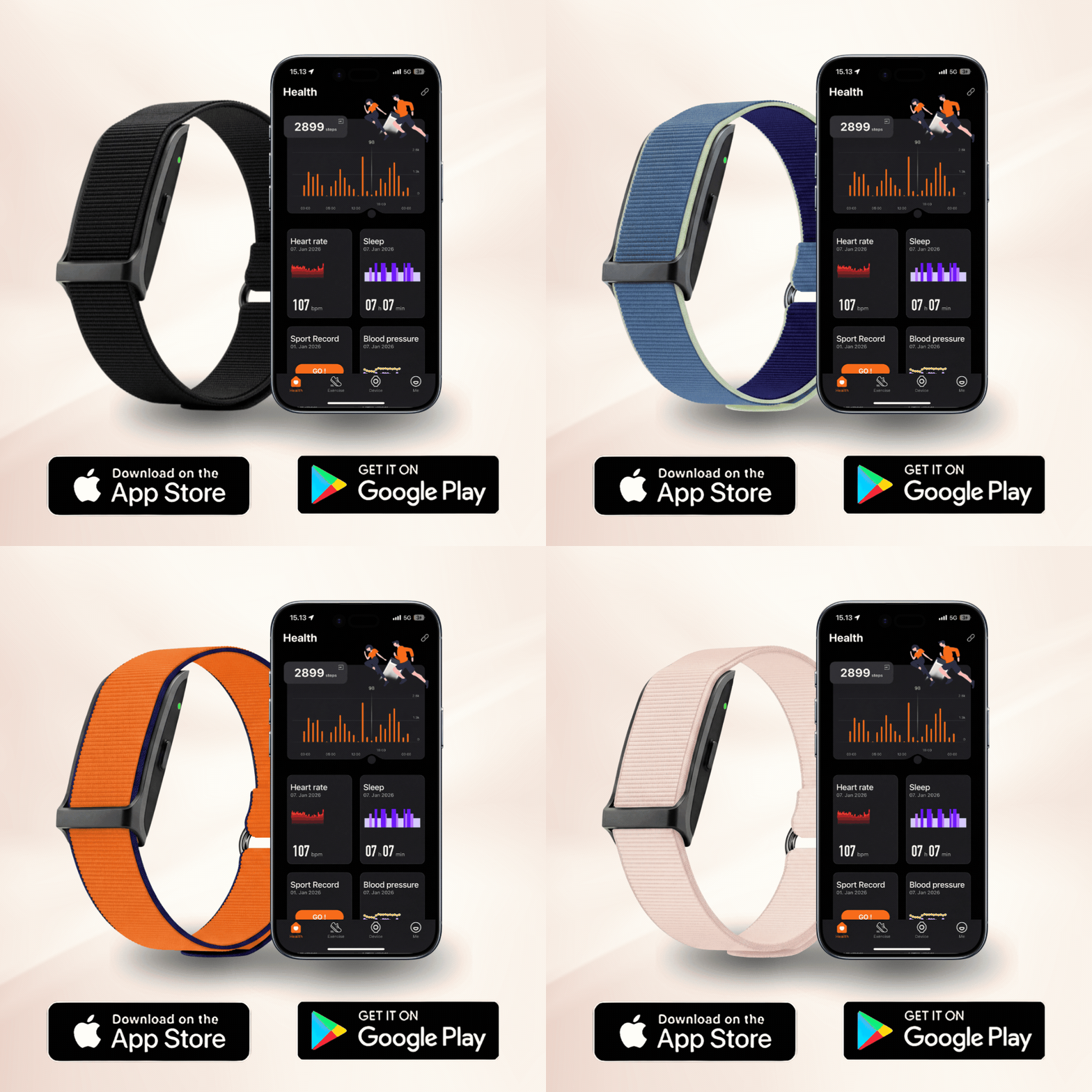

UP TO 50% OFF FOR A LIMITED TIME ONLY!
With 30 day risk-free trial, you
have nothing to lose.
TRY IT RISK-FREE

Sell-Out Risk: High
|
FREE shipping
Try it today with a 30-Day Money Back Guarantee!
Disclaimer
This product is a general wellness and fitness device. It is not a medical device and is not intended to diagnose, treat, cure, or prevent any disease or health condition, including any heart condition. Its readings (including heart rate, heart rate variability, blood pressure, and blood oxygen) are estimates for general wellness purposes only, are not clinically validated, and should not be relied upon for any medical decision. Do not use this device to detect, monitor, or manage any medical condition. It is not a substitute for professional medical advice, examination, diagnosis, or treatment, or for medical-grade monitoring equipment. Always consult a qualified physician or healthcare provider with any questions about your health, before making health decisions, and if you experience symptoms such as chest pain, shortness of breath, or dizziness — seek emergency care immediately. Individual results may vary.